

AI SEO tools have become one of the most marketed categories in digital marketing, and the noise makes it hard to separate genuine utility from repackaged features. If you are a small business owner or a marketer who keeps hearing that AI will transform your search rankings, you are right to want a grounded breakdown before spending money. The honest reality is that a handful of AI SEO tools deliver real value by compressing hours of manual work into minutes, while many others simply wrap old functionality behind a new interface and call it intelligence. This article gives you a mental model for evaluating any AI SEO tool you encounter, so you can invest where it matters and skip what does not. For a deeper look at specific tools worth paying for, our companion piece on the best AI SEO tools in 2026 covers individual tool assessments in detail.
What Are AI SEO Tools, Really?
AI SEO tools are software platforms that use machine learning and large language models to automate or accelerate specific search optimization tasks. That sounds simple, but the marketing around these tools deliberately blurs the line between “AI” and “automation.” A tool that scrapes search results and fills in a template is not really doing AI work. A tool that reads the top 20 ranking pages for a query, identifies the topics and entities they share, and tells you exactly what your content is missing, that is genuine AI doing something a human would take hours to replicate.
The distinction matters because it changes how you evaluate a tool. Real AI in SEO does three things: it processes large amounts of SERP data faster than a human can, it identifies patterns across that data to generate recommendations, and it adapts its output based on what is actually ranking rather than relying on static best practices. Tools that do this well are force multipliers for small teams. Tools that pretend to do this but actually serve you a checklist from 2022 are not worth your budget.
Think of it this way: traditional SEO software gives you data and leaves you to interpret it. AI SEO tools give you data plus an interpretation, plus a prioritized set of actions. That shift from “here is information” to “here is what to do next” is the real value proposition, and it is the thing you should look for when evaluating any tool in this space. For a broader perspective on how AI is reshaping practical work beyond SEO, our guide on how AI improves daily life covers the same pattern across other use cases.
Core Categories of AI SEO Tools
Every AI SEO tool on the market fits into one of four functional categories. Understanding these categories is more useful than memorizing tool names, because it lets you evaluate any new platform by asking which category it belongs to and whether that category addresses your actual bottleneck. Here is what each one does and what to look for.
Content Optimization Tools

These tools analyze the top-ranking pages for a target keyword, extract the common topics, entities, and structural patterns, then score your content against them in real time as you write. The best known example is Surfer SEO, which assigns a Content Score from 0 to 100 based on how well your draft matches the semantic profile of pages already on page one. Tools like Frase take a similar approach but focus on generating structured content briefs from SERP analysis rather than scoring drafts.
The value here is speed and accuracy. Instead of guessing what topics your article should cover, the tool shows you exactly what the ranking pages have in common and where your draft falls short. The limitation is that these tools optimize for SERP patterns, not for reader experience. A page that matches every topical signal but reads like a robot wrote it will not earn the engagement signals that Google increasingly weighs. Use these tools to close topical gaps, then apply human judgment on flow, voice, and originality.
Keyword Research Tools
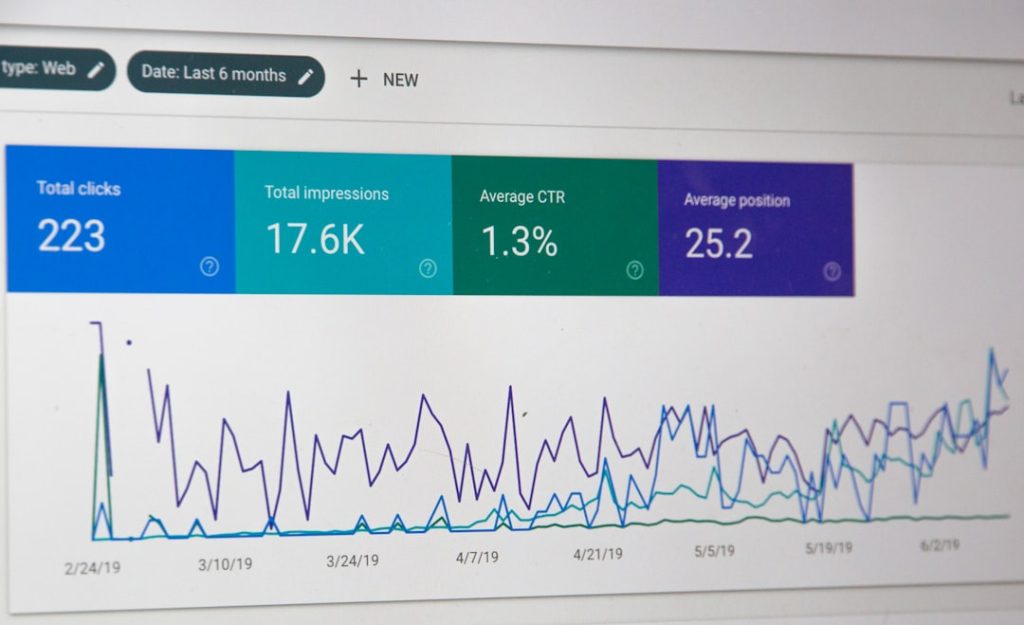
Keyword research tools use AI to surface search terms, estimate volume and difficulty, and identify semantic clusters that humans would miss at scale. Ahrefs and Semrush dominate this space, with large proprietary crawl databases that consistently surface terms and competitor gaps that smaller tools cannot. The AI layer in these platforms is getting better at grouping related keywords, suggesting topical clusters, and flagging terms with rising momentum before they become obvious.
What to look for: data quality matters more than AI flash here. A tool with a massive crawl and accurate difficulty scores will outperform a tool with a slick AI interface built on thin data. If your primary bottleneck is “I do not know what keywords to target,” this is your category.
Technical Auditing Tools

Technical SEO tools crawl your site, identify issues like broken links, missing schema, slow pages, and crawl errors, then prioritize what to fix first. Platforms like Alli AI go further by actually implementing changes automatically, pushing title tag rewrites, meta description updates, and internal linking changes across thousands of pages in minutes. Semrush and Ahrefs also include site audit features, though their AI-driven prioritization is lighter than purpose-built tools.
This category is where AI genuinely changes the economics. A technical audit that used to take a developer days can now run in under an hour, with AI surfacing the issues most likely to affect rankings and suggesting fixes. The caveat is that these tools will implement whatever you approve. If your strategy is flawed, they will scale the flaws. Technical tools assume you know what good looks like.
Link Analysis Tools
Link analysis tools examine your backlink profile, identify toxic or low-quality links, surface link-building opportunities, and analyze competitor link sources. Ahrefs is the industry leader here, with the largest backlink database and the most accurate referring domain data. Semrush offers competitive link analysis as well. The AI in these tools is still relatively light, mostly helping with opportunity discovery and pattern recognition rather than full automation.
AI has not yet cracked the hardest part of link building: earning editorial placements on relevant, high-authority domains. That still requires human outreach and genuine relationship-building. If you are investing in AI-driven content optimization alongside an outreach strategy, understanding why guest post backlinks matter for online businesses will help you see how the two sides complement each other.
Core Categories at a Glance
| Category | What It Does | AI Maturity | Example Tools | Best For |
|---|---|---|---|---|
| Content Optimization | Scores content against SERP patterns, generates briefs | Deep | Surfer SEO, Frase | Solo marketers, content teams |
| Keyword Research | Discovers terms, estimates volume and difficulty | Moderate | Ahrefs, Semrush | SEO professionals, agencies |
| Technical Auditing | Crawls site, prioritizes and sometimes auto-fixes issues | Moderate to deep | Alli AI, Semrush, Ahrefs | Agencies, multi-site operators |
| Link Analysis | Profiles backlinks, finds opportunities, flags toxic links | Light to moderate | Ahrefs, Semrush | Link builders, agencies |
Where AI SEO Tools Genuinely Help (And Where They Don’t)
The tools that deliver real value are the ones that surface data and suggestions, then let you decide what to act on. The tools that underdeliver are the ones that try to auto-generate content, auto-build links, or auto-optimize your site with zero human input. Knowing the difference saves you money and protects your rankings.
Where AI Genuinely Helps
Content briefs and research: AI tools compress what used to take three to five hours of manual SERP analysis into 20 to 40 minutes. Frase and Surfer both generate structured briefs that pull questions, topics, and statistics from ranking pages, giving writers a clear starting point without a long kickoff call.
Technical auditing at scale: Crawling a large site, identifying issues, and prioritizing fixes is a task AI handles well. Tools like Alli AI can push optimizations across thousands of pages in minutes, a task that would take a developer days.
Keyword clustering and intent analysis: AI can group related keywords by search intent and surface clusters that humans would miss manually. This is particularly useful for content planning across a broad topic area.
Where AI Falls Short
Content generation without editing: AI can produce first drafts at speed, but the output tends toward generic, safe phrasing. Publishing raw AI content without revision is a fast path to the kind of thin material Google’s quality systems are designed to suppress. The tools are getting better, but they are not yet a substitute for human writing on topics that require depth, originality, or firsthand experience.
Strategic decision-making: AI tools do not know your business, your audience, or your competitive landscape. They can tell you that a keyword has high volume and low difficulty, but they cannot tell you whether that keyword aligns with your brand positioning or whether ranking for it will actually drive revenue. That judgment still belongs to you.
Link building outreach: No AI tool can build a genuine relationship with an editor at a high-authority site. Link analysis tools can find opportunities, but the outreach, the pitch, and the relationship are fundamentally human work.
Building a Lean AI SEO Stack on a Budget
The most effective approach is to pick one tool that directly addresses your primary bottleneck, use it for 90 days, measure the impact on rankings or organic traffic, and only then consider adding a second tool. Stacking tools before you have mastered one leads to underused subscriptions and fragmented data, which is the opposite of what AI is supposed to solve.
Start by identifying your single biggest SEO bottleneck. If you publish content regularly but it is not ranking, your bottleneck is content optimization, and a tool like Surfer SEO or Frase is your answer. If you do not know what keywords to target or what your competitors are doing, you need a research platform like Ahrefs or Semrush. If your site has technical issues you cannot get fixed, a tool like Alli AI targets that problem directly.
A practical budget framework: a solo founder or small business should expect to spend between $45 and $150 per month on one well-chosen tool. An agency or mid-size team will likely need $200 to $500 per month across two complementary platforms. The cost is real, but so is the opportunity cost of spending 15 hours a week on manual research that a tool compresses into two. If you are working through which SEO workflows to prioritize, we at Techymantraa can help you think through the angles that actually move the needle for your specific situation.
The bottom line is that AI SEO tools are force multipliers for teams that already have a strategy. They will not invent one for you. Pick the tool that removes your most expensive bottleneck, commit to using it properly, and let the results guide your next investment. There is no shortcut past the building phase, but the building phase is shorter than most marketers think if the tool choice is genuinely aligned with the problem you are solving.
If you want to go deeper on specific platforms, our detailed breakdown of the best AI SEO tools in 2026 covers individual tool strengths, pricing, and use cases. Have questions about your specific situation? Reach out and we can talk through it.
Frequently Asked Questions
Are AI SEO tools worth it for a small business with a limited budget?
Yes, if you choose one tool that addresses your primary bottleneck. A content optimization tool like Frase or Surfer SEO can compress hours of research into minutes for under $150 per month. The key is picking one tool, using it consistently for 90 days, and measuring results before adding another.
Can AI SEO tools fully replace an SEO consultant?
For routine tasks like content scoring, keyword research, and technical audits, AI tools handle much of the heavy lifting. But strategic decisions like which keywords to prioritize, how to structure your content funnel, and how to build a backlink strategy still benefit from experienced judgment. The strongest setup is an AI tool plus periodic consultant review.
Will Google penalize my site if I use AI-generated content?
Google does not penalize content simply because AI was involved. Its guidelines target content that is low-quality, unhelpful, or published at scale without human review. If you use AI to generate drafts and then revise for accuracy, depth, and originality, you are within safe territory. Publishing raw, unedited AI output is the risky behavior.
How many AI SEO tools do I actually need?
Start with one. Most businesses see the best ROI by mastering a single tool that solves their primary bottleneck before adding a second. A common effective pairing is a content optimization tool with a keyword research platform, but only add the second once you are consistently using the first and seeing measurable results.
What is the difference between content optimization tools and keyword research tools?
Content optimization tools analyze top-ranking pages for a specific keyword and score your content against them, helping you improve on-page relevance. Keyword research tools focus on discovering search terms, estimating volume and difficulty, and analyzing competitor strategies. They answer different questions: one improves what you have written, the other tells you what to write about.

 Ziya Khan
 teechymantra
 Rakesh Saini